
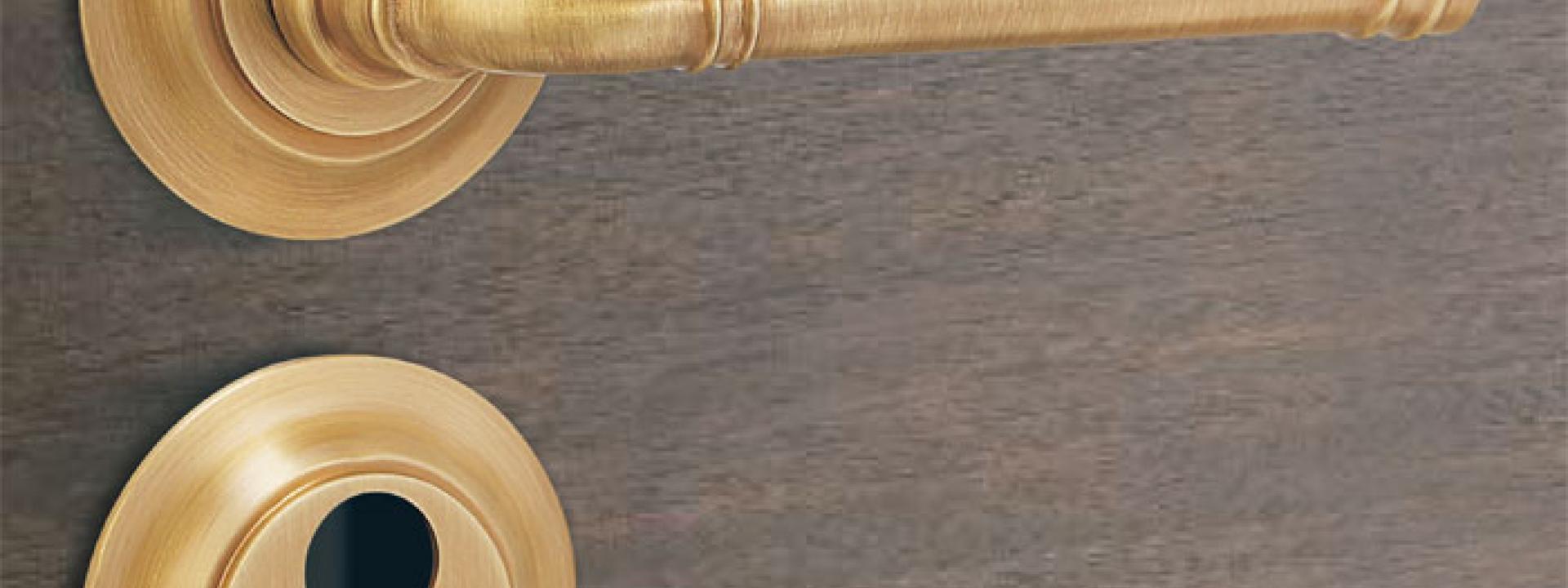
The Evolution and Impact of Door Lever Handles
Introduction:
The importance of even the smallest details in interior design cannot be ignored. Among these elements, the door handle
stands out as the main element that seamlessly blends functionality and
style. This article explores the evolution of the door, its diversity,
and its impact on modern architecture and interior design, supported by
practical and statistical data.
Evolution of Door Handles:
It has evolved from a simple tool into a unique development of
design. According to architectural historian Witold Rybczynski, the door
began as a simple device, usually made of wood or metal, used for the
sole purpose of serving as a door (“House: A Brief History of an Idea,”
1986). However, advances in technology and design have led to the rise
of ergonomic door handles, promoting both functionality and aesthetic
harmony.
Design Versatility:
A study by the American Institute of Architects (AIA) shows growing interest in sliding doors
due to their ease of use, especially for people without dexterity or
mobility (“Home Design Trends Survey,” 2019). Additionally, door
handles, available in a variety of finishes, materials, and designs,
allow homeowners and designers to customize their appearance to fit
different interior design themes. Furthermore, this customization
enhances the overall aesthetic appeal of the space while ensuring
practicality and accessibility.
Impact on Modern Architecture and Interior Design:
Door handles play a significant role in modern architecture and
interior design, adding both functionality and aesthetics. Research from
the International Journal of Design emphasizes that door hardware,
including handles, is vital for creating a harmonious and accessible
environment (“Inclusive Design: Door Hardware Case Study,” 2020).
Moreover, a Houzz survey reveals that 78% of homeowners prioritize door hardware as the most crucial aspect of a home improvement project (2020 Houzz and Home Research, 2020).
Conclusion:
As a result, door handles represent the combination of functionality
and style in interior design, with a rich history and a lasting impact
on architectural aesthetics. Their ergonomic design, versatility and
role in encouraging contributions underscore their importance in both
domestic and commercial environments. As architectural trends continue,
the door handle will continue to
be one of the most important elements that enrich the design concept of a
space and leave a lasting impression on residents and visitors.